


Reliable Power for Modern Farming
Energy consumption in agriculture has increased significantly over the past decades. Global food demand rises, farms depend on more machinery, systems, and climate-controlled facilities.
Want to know how much energy your farm could generate?
Use our free calculator to estimate your farm's solar potential.
Agricultural operations commonly require electricity for:
 Irrigation Pumps
 Greenhouse Lighting & Heating
 Refrigeration & Cooling Systems
 Livestock Ventilation & Water Heating
 Processing Equipment & Storage
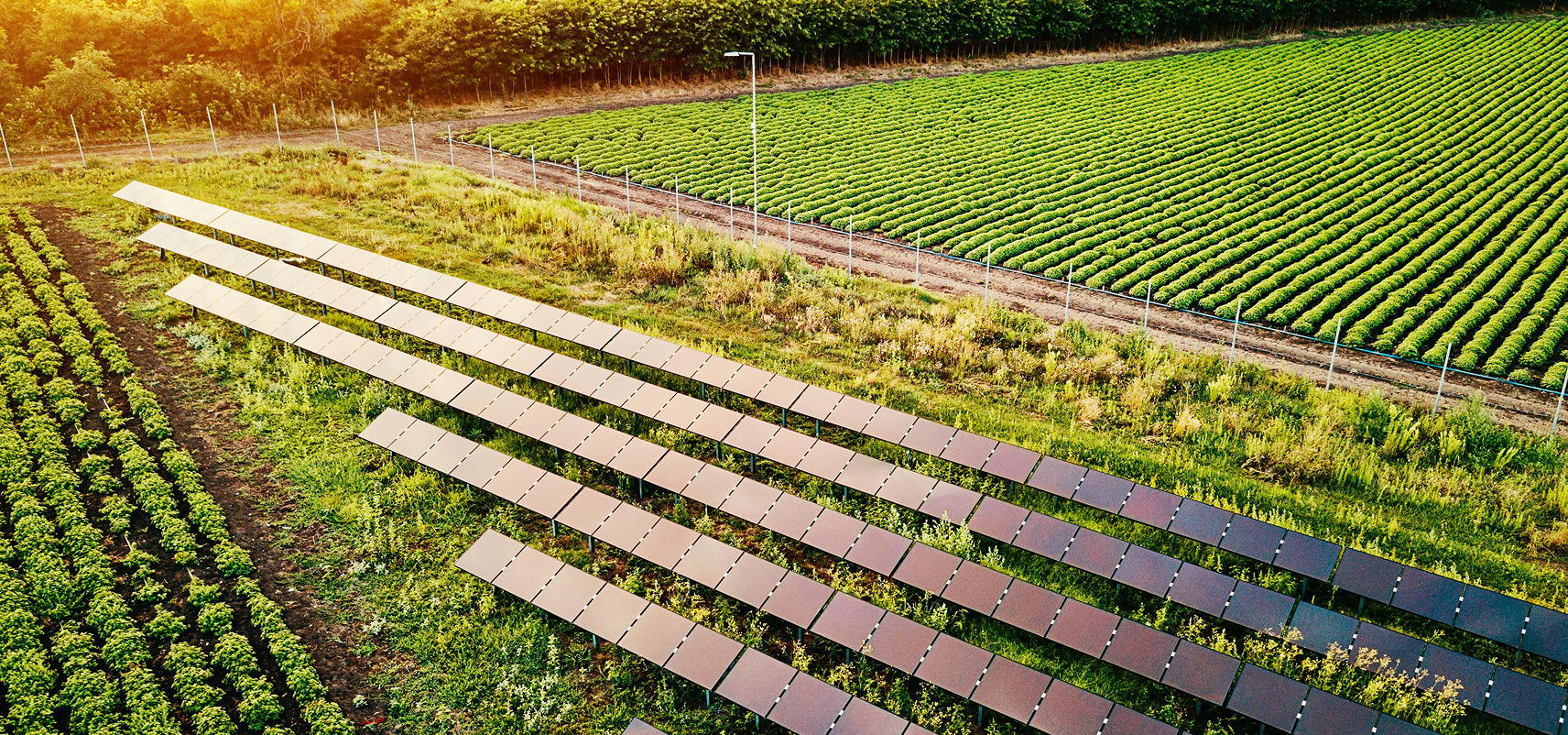
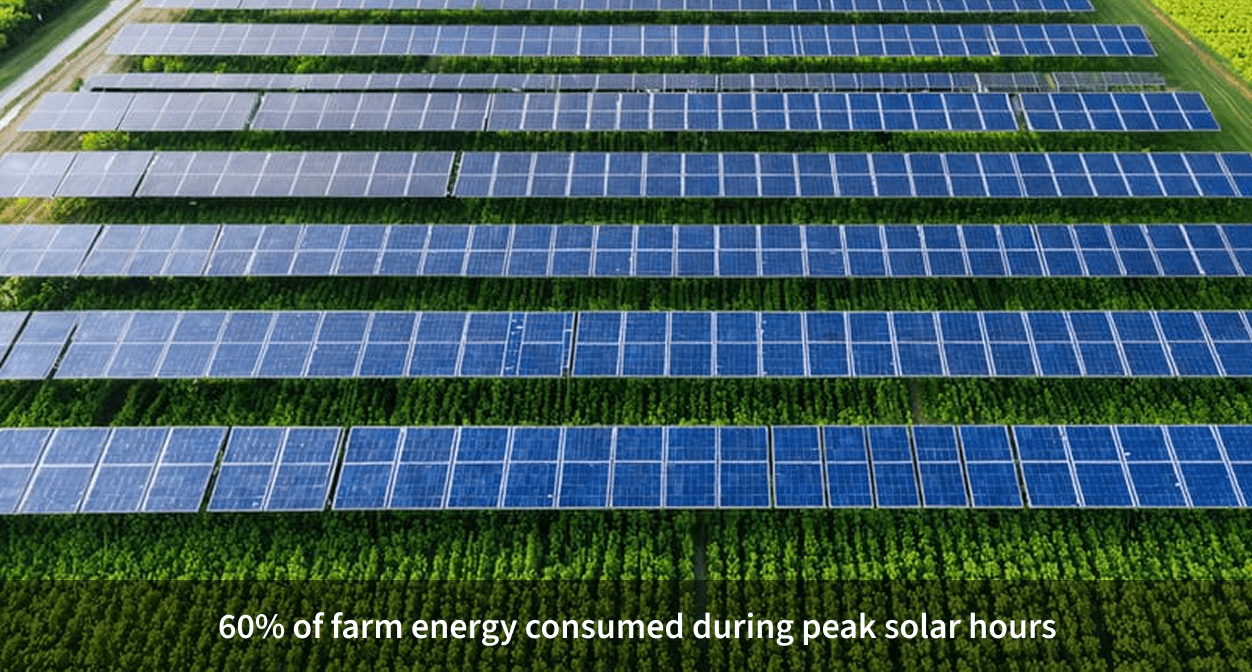
Solar energy naturally aligns with agricultural operations. Most farms consume the highest amount of electricity during daylight hours, exactly when solar panels generate the most power. This makes solar power a practical solution.

Lower Long-Term Costs
Farms often spend a large portion of their operating budget on electricity. Solar installations can significantly reduce electricity bills over the lifetime of the system.

Energy Independence
By generating power locally, farms reduce reliance on external energy suppliers and protect themselves from rising electricity prices.

Reliable Power Supply
With proper system design and battery storage, farms can maintain stable energy supply for critical operations around the clock.
Solar technology supports a wide range of agricultural activities. Below are the most common applications of solar power in farming operations.
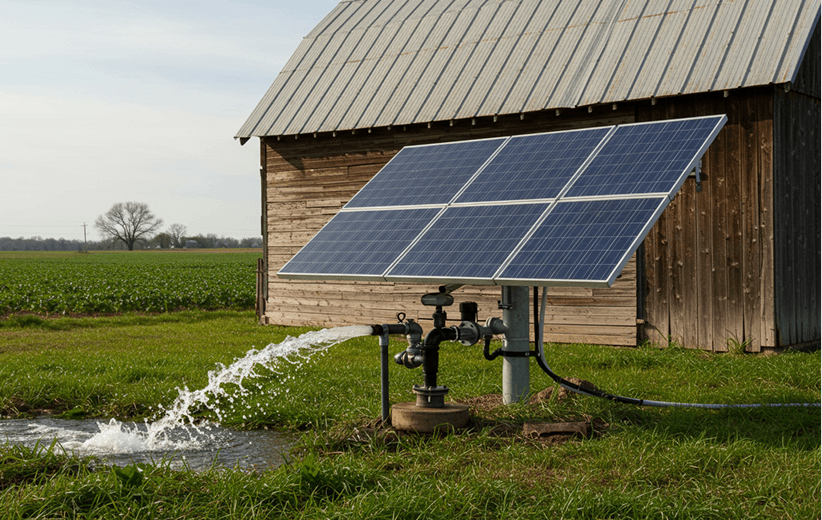
Solar Water Pumps for Irrigation
Solar-powered irrigation systems use photovoltaic panels to generate electricity that powers water pumps. When combined with inverters and battery storage, solar pumps provide reliable water supply for crops and livestock.
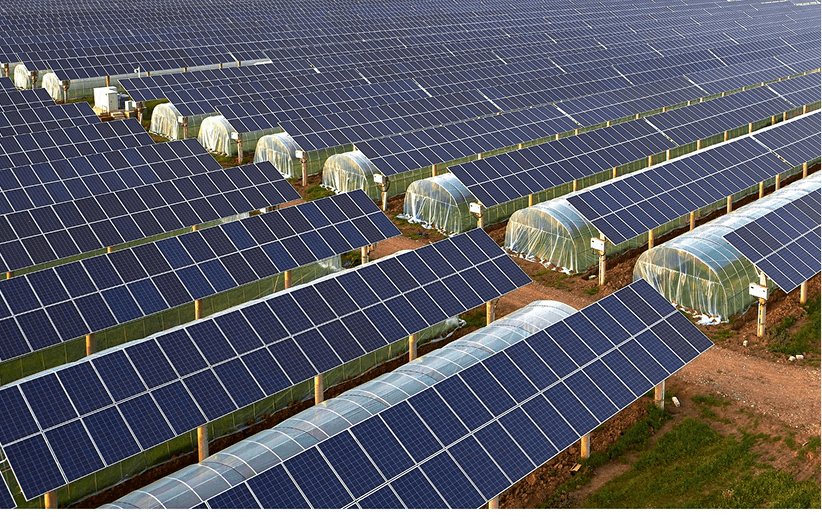
Solar Power for Greenhouses
Greenhouses require stable lighting, heating, and ventilation for optimal growing conditions. Solar energy can power lighting systems, temperature controls, and automated irrigation equipment.
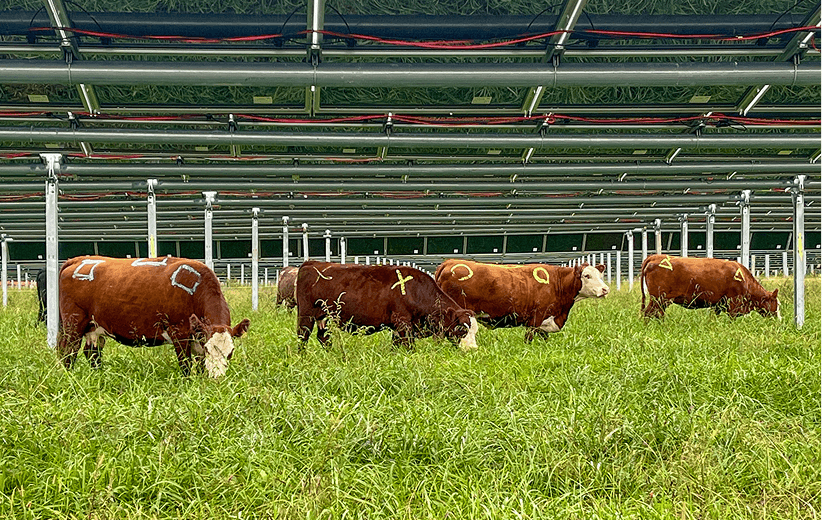
Solar Heating for Livestock
Livestock and dairy farms require controlled environments to maintain healthy conditions for animals. Solar-powered heating systems can supply hot water and regulate indoor temperatures in barns.
Many agricultural operations are located far from major electrical infrastructure. Power outages or unstable electricity supply can interrupt farm operations and damage equipment.
Solar systems generate electricity directly on-site and store excess energy in batteries. This ensures essential systems such as pumps, lighting, and refrigeration remain operational even when grid electricity is unavailable.
Solar energy provides a reliable local power source that operates independently from external infrastructure.

Store excess solar energy for use during nighttime or cloudy days

Critical farm systems stay online even during grid failures
Stable voltage and frequency for sensitive agricultural equipment
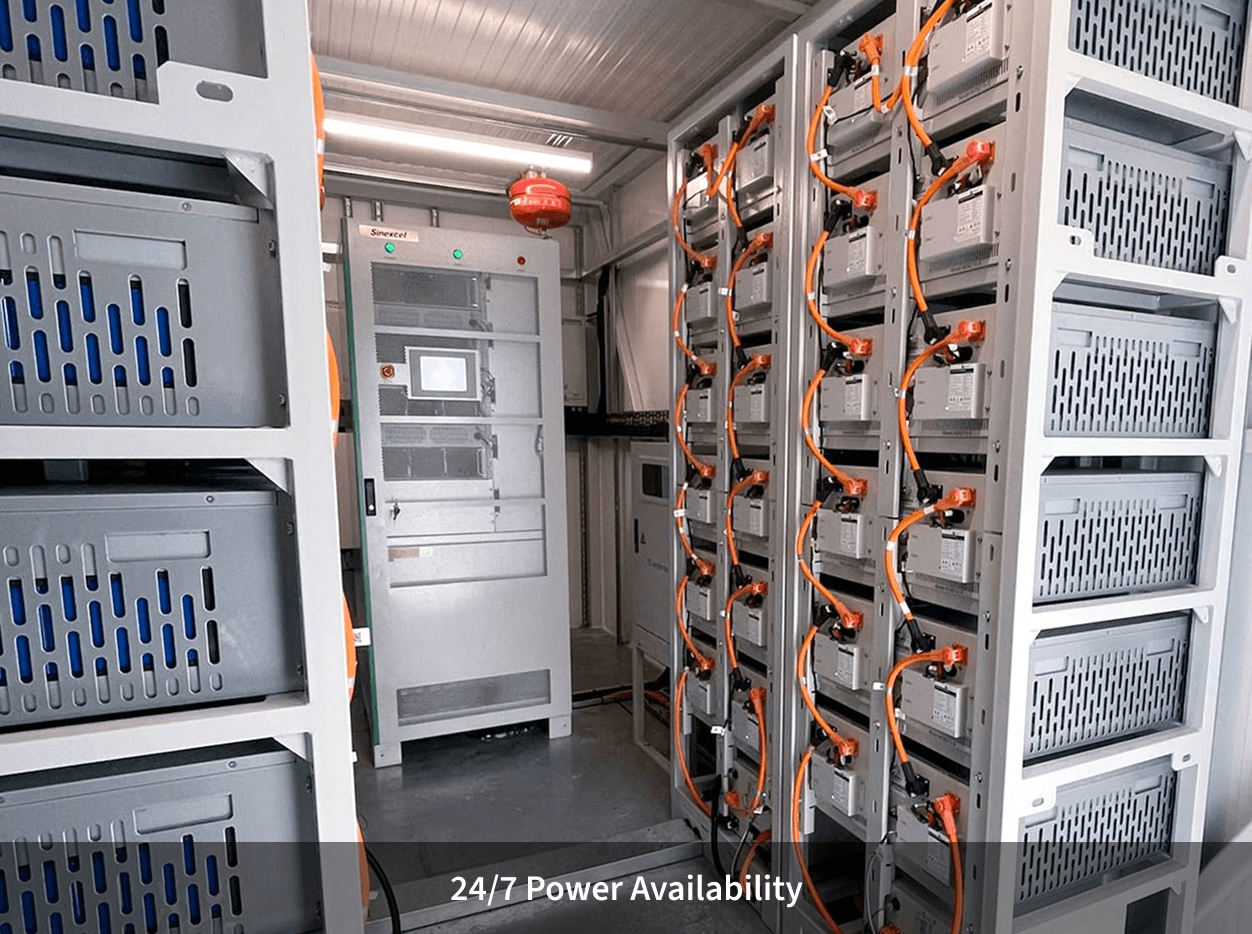
A solar installation becomes even more effective when combined with solar battery storage systems. For farms, this means:
 Power during nighttime operationsBackup electricity during grid outagesBetter energy cost managementReduced reliance on traditional energy providers
The effectiveness of solar panels depends on several factors. Every farm is unique, which is why solar systems must be carefully designed to match specific energy needs.
Soleeva works closely with agricultural businesses to evaluate these factors and develop solar installations that maximize energy production and long-term savings.

Geographic location determines solar irradiance levels and optimal panel angles

Understanding peak usage times helps size the system correctly

Roof area, ground-mounted options, or agrivoltaic configurations
Critical loads, backup needs, and phase requirements for farm equipment
Choosing solar panels involves technical, financial, and practical considerations. The right solution depends on your roof, energy usage, and long-term goals.